As a Window Installation Expert and Energy Consultant with over two decades of experience, I often tell homeowners that windows are the “eyes” of the home. But in 2026, they are much more than an aesthetic feature; they are the primary defense system against rising energy costs.
When you feel a draft in your living room or see your HVAC system working overtime, you are essentially watching money fly out the window. The decision to replace your windows is one of the most significant investments you will make in your property, but the return on investment (ROI) relies entirely on choosing the right material for your climate and your budget.
With supply chains stabilizing and manufacturing technology advancing, the market has settled into three distinct tiers: Vinyl, Fiberglass, and Wood. This guide breaks down the window replacement cost, the science of energy efficiency, and the realistic lifespan you can expect from each material in the current market.
The Science of Savings: Understanding U Factor
Before we discuss price tags, we must discuss performance. In 2026, you should not buy a window unless you understand two critical metrics found on the NFRC (National Fenestration Rating Council) label: U-Factor and SHGC.
U-Factor (Insulation): This measures how well the window prevents heat from escaping your home. It is the inverse of the “R-Value” used in wall insulation.
-
The Rule: The lower the number, the better the window.
-
Target: In 2026, a high-performance window should have a U-Factor of 0.27 or lower. A standard single-pane window from the 1980s likely has a U-Factor of 1.0 or higher, which is functionally a hole in your wall.

SHGC (Solar Heat Gain Coefficient): This measures how much solar radiation (heat) the window lets in.
-
Cold Climates: You want a higher SHGC to let the sun heat your home for free.
-
Warm Climates: You want a lower SHGC to block the sun and reduce air conditioning costs.
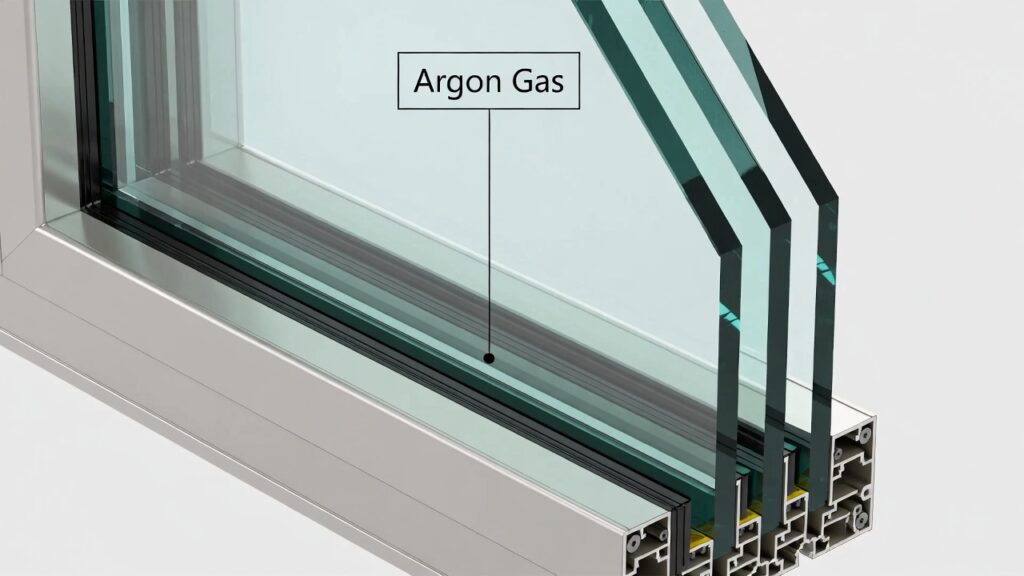
When comparing energy efficient windows, the material of the frame plays a massive role in these numbers. A glass pack might be triple-pane with argon gas, but if the frame conducts heat, the window fails.
Vinyl Windows: The Budget Friendly Standard
Vinyl (PVC) remains the most popular window material in North America, accounting for nearly 70% of the residential market.
The Pros:
-
Cost: Vinyl window prices are the lowest of the three options.
-
Insulation: High-quality vinyl windows have multi-chambered frames (honeycomb structures) often filled with insulating foam. Vinyl is a natural insulator and does not conduct heat, offering excellent U-Factors for the price.
-
No Painting: The color is baked into the material, so it will never peel.
The Cons:
-
Aesthetics: They look like plastic because they are plastic. The frame profiles are often thick and bulky to provide structural integrity, reducing the visible glass area.
-
Durability: Vinyl expands and contracts significantly with temperature changes. Over 15 to 20 years, this movement can break the seal between the glass and the frame, leading to “foggy” glass. They can also warp in extreme heat.
2026 Outlook: If you are flipping a house or working with a tight budget, vinyl is the undisputed champion.
Fiberglass Windows: The “Forever Home” Choice
Fiberglass has surged in popularity over the last five years. It is made from glass fibers and resin, the same material used in boat hulls and bridges.
The Pros:
-
Strength: Fiberglass is 8x stronger than vinyl. This allows manufacturers to make the frames much thinner, giving you a modern look with more glass and better views.
-
Thermal Stability: Because the frame is made of glass fibers and the pane is made of glass, they expand and contract at the exact same rate. This protects the seals and prevents the “fogging” issue common in vinyl.
-
Longevity: A fiberglass window can easily last 30 to 50 years.
The Cons:
-
Price: They are significantly more expensive than vinyl.
-
Availability: Fewer contractors specialize in fiberglass, meaning window installation near me searches might yield fewer results compared to vinyl installers.
2026 Outlook: If you plan to live in your home for another 15+ years, fiberglass offers the best long-term value. It effectively ends the cycle of replacement.
Wood Windows: The Luxury Aesthetic
Wood is the original window material. In 2026, almost all “wood” windows are actually “Aluminum Clad Wood.” This means the interior is beautiful, stainable wood, but the exterior is wrapped in durable aluminum to protect it from the weather.
The Pros:
-
Insulation: Wood is nature’s best insulator. It has the lowest thermal conductivity of any frame material.
-
Beauty: Nothing mimics the look of real wood. For historic homes or high-end luxury builds, wood is often the only acceptable architectural choice.
-
Value: Wood windows yield the highest increase in property value upon resale.
The Cons:
-
Maintenance: Even with aluminum cladding, wood requires vigilance. If moisture gets behind the cladding, the wood can rot invisibly from the inside out.
-
Cost: This is the premium option.
2026 Outlook: Wood is for the homeowner who prioritizes aesthetics and heritage over budget.
Installation Costs: The Hidden Variable
When budgeting for window replacement cost, you must distinguish between the two types of installation: Pocket Replacement vs. Full Frame Replacement.
Pocket (Insert) Replacement: If your existing window frames are square and free of rot, the installer can slide the new window “into the pocket” of the old frame.
-
Cost: Lower labor cost.
-
Drawback: You lose some glass space (the window gets smaller).
Full Frame Replacement: The installer rips everything out down to the studs—interior trim, exterior siding, and the old frame.
-
Cost: Adds $250 to $500 per window in labor and materials.
-
Benefit: It ensures there is no hidden rot, allows for new insulation around the frame, and maximizes glass size.
Conclusion: Making the Right Choice
In 2026, the gap between vinyl and fiberglass has narrowed in terms of energy performance, but the gap in longevity remains wide.
-
Choose Vinyl if you are budget-conscious, selling the home soon, or replacing windows in a rental property.
-
Choose Fiberglass if this is your “forever home” and you want a sleek, modern look that you never have to worry about again.
-
Choose Wood if you live in a historic district or a luxury home where the richness of the interior grain is a central design element.
Remember, the most expensive window is the one you have to buy twice. When searching for window installation near me, prioritize contractors who offer a warranty on the labor, not just the glass. A poorly installed $2,000 window will perform worse than a perfectly installed $600 window.
DISCLAIMER: The cost estimates provided in this article are based on national averages for 2026 and can vary significantly based on location, window size, custom features, and local labor rates. Energy savings are estimates and depend on the overall insulation of the home and HVAC system efficiency. This guide does not constitute professional contracting advice. Always obtain at least three detailed quotes from licensed and insured contractors before beginning any home improvement project.