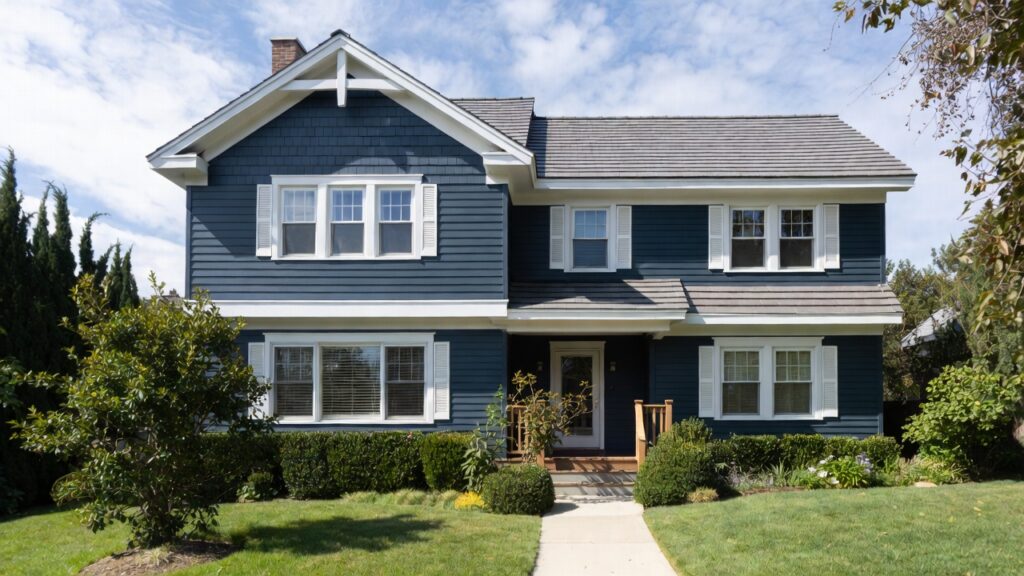
Your home’s siding is its first line of defense against the elements and the single biggest factor in its curb appeal. As an Exterior Home Renovation Specialist, I often tell clients that choosing siding is a balancing act between the check you write today and the maintenance checks you’ll write for the next 20 years.
In 2026, the siding market has evolved. Vinyl is no longer just “cheap plastic,” and Fiber Cement has solidified its reputation as the “forever” solution. Meanwhile, wood remains the luxury choice for purists who don’t mind the upkeep. This guide breaks down the real costs, durability, and ROI (Return on Investment) of the three major contenders.
Vinyl Siding: The Budget Friendly Standard
Vinyl remains the most popular siding material in North America for one reason: Affordability. Modern vinyl has come a long way from the flimsy panels of the 1990s. In 2026, “Insulated Vinyl” is the standard recommendation, featuring a foam backing that adds rigidity and a modest R-value (insulation).
-
Curb Appeal: Standard vinyl can look somewhat flat or plastic-like up close, with visible seams where panels overlap. However, premium “cedar shake” vinyl molds are improving.
-
Durability: Vinyl is essentially maintenance-free. It never needs painting and cleans up with a garden hose. However, it is susceptible to cracking in extreme cold (impact damage) and warping or melting in extreme heat (especially from reflected sunlight).
-
The Verdict: Perfect for flipping houses or homeowners on a strict budget who want a “set it and forget it” exterior.
Fiber Cement (Hardie Board): The Durability King
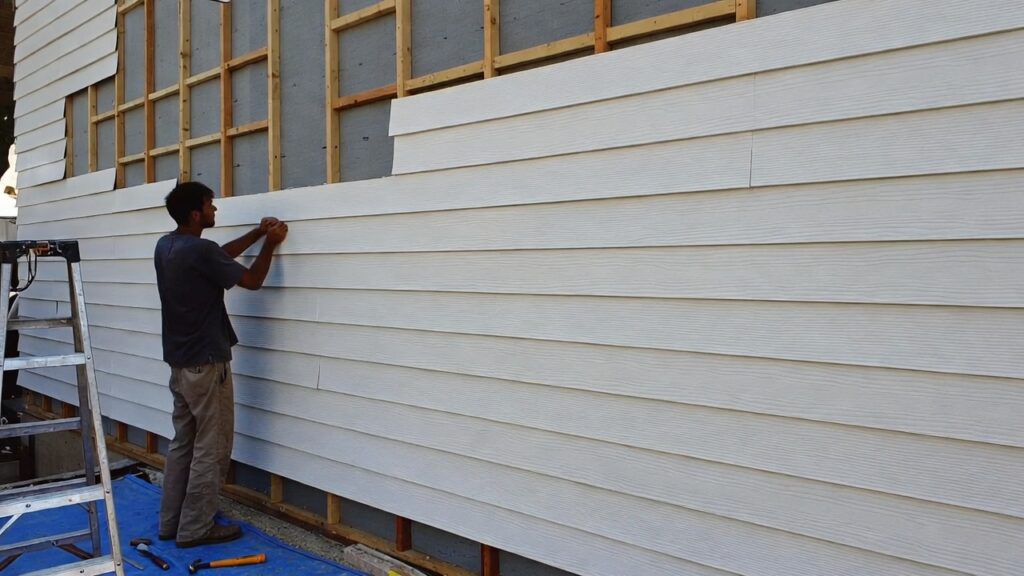
If you are looking for the gold standard in 2026, this is it. Fiber cement (often referred to by the brand name James Hardie or “Hardie Board”) is a composite made of cement, sand, and cellulose fibers. It mimics the grain of natural wood so well that it is often approved for use in historic districts.
-
Curb Appeal: Excellent. It has a deep, authentic wood grain texture and holds paint 2-3 times longer than wood. It provides a substantial, high-end look that vinyl cannot match.
-
Durability: It is virtually indestructible. It is rot-proof, termite-proof, and woodpecker-proof. Most importantly, it carries a Class A Fire Rating, making it the preferred choice in wildfire-prone regions.
-
The Verdict: The “Smart Money” choice. It costs more upfront but offers the highest ROI at resale (typically recouping 70-80% of cost).
Wood Siding: The Luxury Liability

Natural wood (Cedar, Redwood, Cypress) is the original siding material. It offers a warmth and organic beauty that no engineered product can 100% replicate.
-
Curb Appeal: Unbeatable. The natural variation in grain and the ability to stain it (rather than paint it) creates a custom, luxury aesthetic.
-
Durability: This is the Achilles’ heel. Wood is organic; it wants to rot. It requires rigorous maintenance—painting or staining every 3 to 7 years. If you neglect it, moisture will intrude, leading to rot, mold, and insect infestations.
-
The Verdict: Only for homeowners who prioritize aesthetics above all else and have the budget for ongoing professional maintenance.
Regional Considerations: Climate Matters
Your zip code should dictate your siding choice as much as your wallet does.
Hot and Humid (The South / Southeast)
-
Avoid: Wood. The humidity will cause constant swelling, shrinking, and rot. Vinyl can also struggle here, as intense UV rays can fade darker colors and cause warping.
-
Best Choice: Fiber Cement. It is impervious to humidity and does not expand/contract like wood or vinyl.
Cold and Snowy (The North / Midwest)
-
Avoid: Cheap Vinyl. In sub-zero temperatures, vinyl becomes brittle. A wayward baseball or a falling tree branch can shatter a panel like glass.
-
Best Choice: Insulated Vinyl or Fiber Cement. Insulated vinyl adds a thermal break to keep the home warmer, while fiber cement stands up to freeze/thaw cycles without cracking.
Fire Zones (The West)
-
Avoid: Wood and Vinyl. Wood is fuel. Vinyl melts quickly, exposing the underlying structure to flames.
-
Best Choice: Fiber Cement. It is non-combustible and is often required by code in Wildland-Urban Interface (WUI) zones.
Final Recommendation
For 80% of my clients, Fiber Cement is the correct answer. The upfront premium (roughly 20-30% more than vinyl) pays for itself in longevity, safety, and increased home value.
However, if you are renovating a rental property or a starter home, Insulated Vinyl offers a fantastic balance of energy efficiency and low cost. Save the Wood for architectural accents like entryways or gables, where its beauty can be appreciated but its maintenance is manageable.
DISCLAIMER: The cost estimates provided in this article are based on national averages for 2026 and can vary significantly based on location, home architecture, waste factors, and local labor rates. Siding installation involves complex waterproofing and flashing details that are critical to preventing structural damage. This guide does not constitute professional contracting advice. Always obtain multiple detailed quotes from licensed and insured contractors before beginning any exterior renovation project.